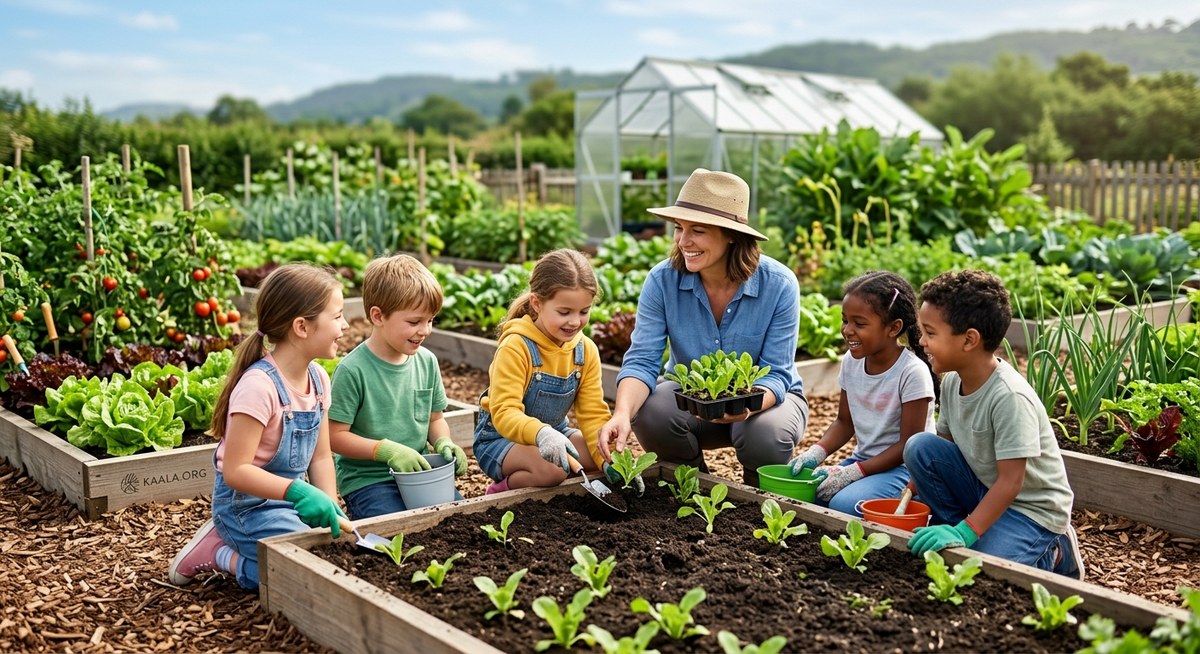
Children are natural explorers and little farmers in their own right. When you invite kids to plant a seed, water a bed, or observe how a leaf catches the sun, you are inviting them into a lifelong practice of care for the land. Kaala.org is built on stories of sustainable farming and practical skills, and this guide is designed to help parents, teachers, and community leaders introduce farming basics to children in a friendly, hands on way. You will find ideas that blend science, culture, and creativity so youngsters not only learn how to grow food but also why sustainable farming matters for communities today and tomorrow.
Teaching Kids the Foundations of Farming
Getting started with farming basics for children means building a simple, repeatable routine that blends observation, action, and reflection. The goal is to foster curiosity, patience, and responsibility while laying the groundwork for more advanced topics later on. Here are core ideas to introduce early on.
Core concepts every young farmer should know
- Soil is living. It holds water, provides nutrients, and hosts millions of tiny organisms that help plants grow.
- Water matters. Plants need the right amount of moisture, not too little and not too much.
- Light provides energy. Most crops need several hours of sunlight to thrive.
- Seeds are not magic packets. They require the right conditions, timing, and care to germinate.
- Weeds are teachers. They help children learn about competition and soil health.
- Tools require respect and safety. Teach kids how to handle trowels, watering cans, and gloves properly.
Start with easy, kid friendly crops
- Leafy greens (lettuce, spinach) that grow quickly
- Radishes and green onions for fast feedback
- Microgreens that can be harvested in a week or two
- Beans and sunflowers for large, visible growth
- Herbs like basil and cilantro that can be used in meals
Hands on activities to build confidence
- Seed starting trays and transplanting sessions
- Simple soil tests using jar rain collection and water observation
- A small compost pile or worm bin demonstration to show recycling in action
- A weekly garden journal with sketches, notes, and photos
In this section we emphasize a gentle progression from observation to action. Children should feel they are contributing meaningfully, even if the harvest is small. Big lessons often come from small, consistent efforts.
Why Composting Matters for Young Learners
Composting is one of the most practical ways to teach children the life cycle of waste and the power of returning nutrients to the soil. It is an easy, tangible activity that connects food, soil, and the environment.
How composting works for kids
- Organic matter such as fruit scraps, coffee grounds, and shredded leaves break down with the help of microbes.
- Over time this decay becomes humus, a rich soil conditioner that improves texture and drainage.
- Worms and microbes act as the soil’s quiet workers, turning waste into something useful.
Simple composting setups for children
- A small countertop bokashi style system for kitchen scraps
- A backyard bin with a secure lid and readable airflow
- A worm composting bin (vermicomposting) for kids who enjoy watching tiny workers at work
Composting activities that reinforce learning
- Track what you add to the pile and estimate how long it takes to break down
- Observe changes in smell, texture, and temperature
- Use finished compost to plant a new crop and observe growth response
Composting teaches responsibility and the importance of recycling nutrients. It also provides a sensory, hands on experience that resonates with children who learn by doing.
Understanding Plant Hardiness Zones and Local Crops
Plant hardiness zones are a practical tool for choosing crops that can thrive in your climate. Teaching kids how to read zone maps helps them understand seasonality and the natural limits of their garden.
What is a hardiness zone
- It is a geographic area defined by minimum winter temperatures.
- It guides gardeners to select crops that can survive winter frosts.
- It supports planning for succession plantings to maximize space and harvests.
How to teach kids to use zone information
- Look up your local zone together using seed packets or a trusted gardening resource.
- Compare zone recommendations with the crops you plan to grow.
- Track yield, timing, and survivability across seasons; adjust plans accordingly.
Kid friendly crop choices by zone
- Cool season crops such as lettuce, kale, and peas
- Warm season crops like tomatoes, peppers, and cucumbers after the last frost
- Perennial herbs such as thyme and rosemary for long term learning
Understanding zones helps children see the connection between climate and food production. It also invites curiosity about how climate change may shift growing windows in the future.
Drought Resistant Crops and Water Wise Gardening
Water is a precious resource, especially in urban and semi urban settings. Teaching children about drought resistant crops and efficient watering builds resilience and demonstrates how to care for land during dry periods.
What counts as a drought resistant crop
- Crops that tolerate periods of lower moisture without significant yield loss
- Deep rooted plants that access water far below the surface
- Mulched beds that conserve moisture and reduce weed pressure
Practical techniques for water wise farming
- Mulching beds with straw, wood chips, or shredded leaves to suppress weeds and retain moisture
- Installing simple rain barrels to collect roof runoff for irrigation
- Scheduling watering to early morning or late evening to reduce evaporation
- Using drip irrigation where possible to deliver water directly to roots
Kid friendly water saving projects
- Measure rainfall each week and compare how different beds respond
- Create a color coded map showing which crops are most drought tolerant
- Build a small irrigation tester with a shallow emitter and measure moisture in soil
Kids learn that farming is about balance. Through drought tolerant crops and efficient watering, they discover how to protect soil health and conserve resources.
Estimating Farm Resources: Time, Water, and Space
Resource estimation is a foundational skill for any grower. It teaches planning, arithmetic, and sustainability in a practical context.
Mapping space and planning beds
- Create a simple garden map on paper or a whiteboard showing bed dimensions
- Group crops by sunlight needs to maximize space
- Allow room for paths so kids can access beds safely
Time budgeting for projects
- Break tasks into steps: soil prep, sowing, watering, weeding, harvesting
- Estimate how long each step takes and record actual time
- Use a weekly schedule to coordinate family or classroom activities
Water budgeting for a small garden
- Track how much water you use for each bed per week
- Compare the water needs of different crops
- Experiment with mulch depth to see its effect on soil moisture
A simple resource worksheet for kids
- Bed area in square feet
- Estimated number of plants per bed
- Weekly watering time
- Expected harvest dates
- Notes on soil amendments and compost use
By making resource estimation visible and fun, children begin to see the impact of their choices on a garden’s outcomes.
Using Nature Scenes for Design and Learning
Nature scenes can inspire garden design and storytelling. They help children connect with the land in a meaningful way and provide a creative framework for learning.
How to use nature scenes in garden design
- Observe local plants, colors, and textures and translate those observations into bed layouts
- Use color blocks in garden beds to create patterns that are easy for children to follow
- Invite children to sketch nature scenes and translate them into planting plans
Examples of nature inspired garden layouts
- A sunlit pathway bordered by flowering herbs that attract pollinators
- A shade bed under a tree canopy with leafy greens and shade tolerant crops
- A sensory bed with herbs and edible flowers that kids can smell, touch, and taste
Learning through storytelling and nature
- Create garden stories where each bed represents a scene from nature
- Use natural patterns such as leaf shapes or seed pods to teach geometry and measurement
- Document seasons with a nature diary, noting changes in color, size, and growth
Nature based design fosters creativity while grounding practical farming lessons in the real world.
Reducing Plastics and Waste on the Farm
Sustainable farming starts with thoughtful material choices. Reducing plastic use and waste helps protect soil and water while teaching children to be mindful consumers.
Practical tips to cut plastic use
- Reuse containers for seed starting and storage
- Use cloth bags for harvest and transport
- Avoid disposable plastics in the kitchen and garden
- Replace plastic mulch with breathable organic alternatives where possible
Alternatives families can adopt
- Reusable seed trays and pots
- Durable metal or silicone tools instead of single use options
- Compostable or paper-based packaging for produce in local markets
Projects that reduce waste
- Create a seed swap box from a reused container
- Build a rainwater capture system from a repurposed barrel
- Organize a classroom or community clean up to collect and sort waste
Teaching children to think critically about materials helps them understand the full cycle from production to disposal and back to soil.
Preserving Taro Traditions and Farming Stories
Taro is more than a crop; its cultivation carries cultural heritage, culinary traditions, and stories of resilience. Preserving taro traditions in education offers a rich, cross cultural learning opportunity for children.
Why taro matters
- Taro is a staple in many cultures and offers a strong link between farming and cuisine
- It teaches patience because taro grows slowly and requires specific soil and moisture
- The leaves and corms provide multiple harvest points and culinary uses
Ways to teach taro tradition in classrooms and gardens
- Plant taro corms in a shaded bed and monitor growth across seasons
- Share stories from elders in the community about taro farming and recipes
- Create cooking activities where children prepare simple taro based dishes
- Document taro farming practices in a simple field journal with photos
These activities connect science with culture, reinforcing the value of sustainable farming as an ongoing tradition.
Hands On Projects and Activities for Kids
Engagement is the heart of teaching farming skills to children. Here are ready to use activities that blend learning and play.
Project ideas with step by step guidance
1) Seed starting sprint
– Materials: seed trays, soil mix, seeds
– Steps: fill trays, moisten soil, sow seeds, label, place in sunlight, water regularly
– Learning outcomes: germination, patience, care routines
2) Build a mini compost bin
– Materials: bin, cardboard, kitchen scraps, yard waste
– Steps: layer greens and browns, moisten as needed, turn weekly
– Learning outcomes: decomposition, nutrient cycles
3) Create a simple drip irrigation system
– Materials: two bottles, tubing, clips
– Steps: punch holes, connect tubing to beds, test flow
– Learning outcomes: water management and engineering
4) Nature inspired bed layout map
– Materials: graph paper, crayons
– Steps: sketch a garden map using nature patterns, translate to real beds
– Learning outcomes: spatial planning and observation
5) Taro growing trial
– Materials: taro corms, shaded bed, mulch
– Steps: plant corms, monitor moisture, care for leaves
– Learning outcomes: cultural context and crop management
6) Story garden scavenger hunt
– Materials: list of natural items
– Steps: hide signs or markers, kids search and record observations
– Learning outcomes: observation, journaling, curiosity
Each project is designed to be scalable, from a school garden to a family backyard, and to adapt to different ages and skill levels.
Urban and Community Supported Agriculture Education
Growing food in cities and leveraging the community supported farming model offers valuable lessons for children about cooperative living and shared responsibility.
How to engage kids with urban farming
- Visit a local school garden or community garden and participate in a planting day
- Start a small balcony garden with edible herbs or greens
- Collaborate with neighbors to share seedlings and seeds
Getting involved with CSA programs
- Attend farmers markets and CSA pickup days to meet growers
- Learn how share systems work, including seasonal variation and harvest timing
- Encourage kids to track what they eat from the farm and how it tastes different when grown locally
Classroom and family activities aligned with CSA principles
- A weekly harvest diary where children note what they received and how it will be used
- A lesson on fair labor practices and the importance of supporting small farmers
- A cooking session to prepare fresh CSA produce with simple recipes
Urban farming education connects children to their communities and helps them understand the social and environmental benefits of sustainable farming.
Safety, Responsibility, and Growing Confidence
Young farmers must learn how to stay safe while exploring soil, seeds, and sun. Safety is not a barrier but a foundation for confident exploration.
Key safety principles
- Always wear gloves when handling soil and tools
- Apply sunscreen and stay hydrated in the sun
- Keep tools organized and out of reach of younger children
- Supervise curiosity with clear rules about which tasks are allowed
Responsibility and accountability
- Children can be assigned simple tasks with clear expectations
- Establish a weekly routine that honors effort, progress, and cleanup
- Encourage kids to reflect on what they learned and what they would like to improve
This approach helps kids develop self discipline, respect for the land, and a sense of accomplishment from nurturing living things.
Teaching Children the Long View: Sustainability and Community
Farming is more than growing food. It is about community, stewardship, and long term thinking. Teach kids that sustainable farming supports people, wildlife, and future generations.
Core sustainability lessons for kids
- How soil health impacts plant growth and water quality
- The importance of seasonal cycles and biodiversity in resilience
- The role of farmers in communities and the value of fair access to food
- How thoughtful design reduces waste and protects ecosystems
Community stories that inspire
- Share farming stories from Kaala.org that highlight people who cultivate resources responsibly
- Document community garden successes and the ways kids contributed to them
- Celebrate local harvests and the teachers who make a difference in children lives
Conclusion: Growing Confidence, Growing Food
Teaching children the basics of farming is a gift that blends science, culture, and practical life skills. By focusing on soil and compost, plant hardiness zones, drought resistant crops, water wise practices, nature inspired design, and community involvement, we help children become capable stewards of the land. Kaala.org believes in the power of stories and hands on learning to cultivate change and sustainability through farming.
As you continue your journey, consider a simple weekly rhythm:
– Monday: plan a small kid friendly crop and plant it
– Wednesday: tend the beds and record growth in a garden journal
– Friday: discuss what worked and what could improve, and prepare a mini project for the weekend
Together, families, schools, and communities can grow resilient, sustainable food systems that nourish people and planet. By embracing the basics described here, children learn not just how to grow food but how to grow into thoughtful, resourceful adults who value the land and the communities that sustain us.
If you want more practical ideas, case studies, and kid friendly activities, explore Kaala.org for fresh stories and tips on estimating farm resources, using nature scenes for design, managing plastics, preserving taro traditions, and teaching children farming skills. Our goal is to keep sustainable farming accessible, inspiring, and fun for kids of all ages.