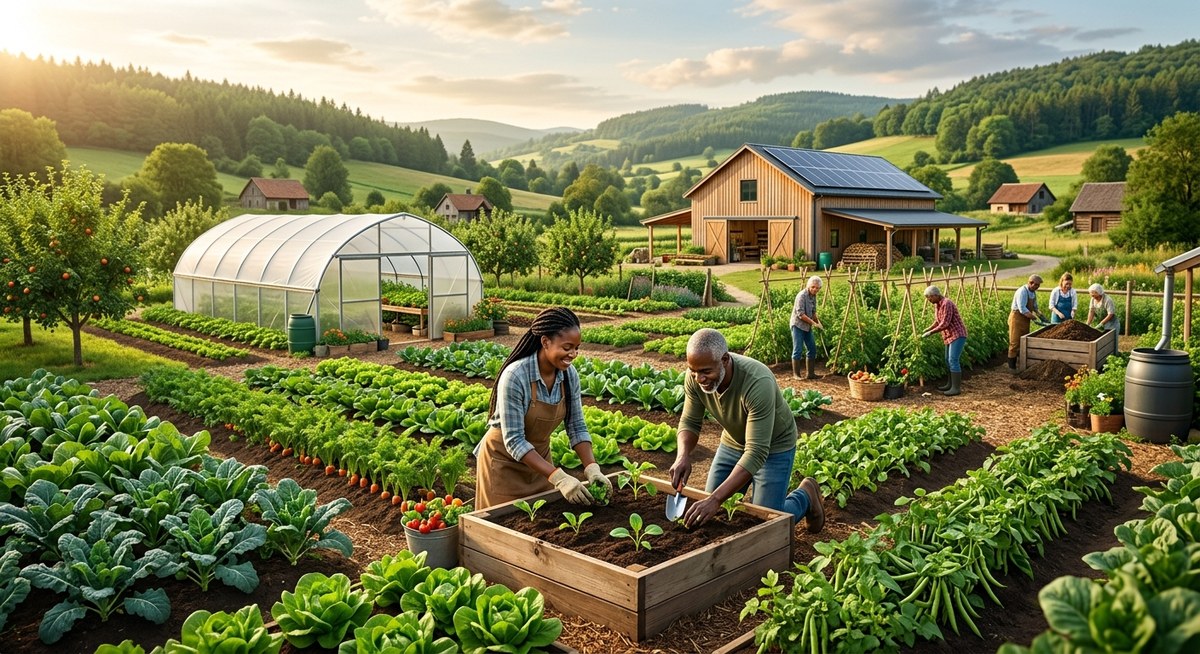
In small communities, farming is more than a way to feed neighbors. It is a shared promise that the soil can support families today and nurture futures tomorrow. At Kaala.org, we celebrate farming stories that turn careful planning into thriving plots. This article offers practical, actionable guidance for communities that grow food on limited space, with budget friendly solutions, and with an eye toward culture, education, and resilience. Whether you are tending a backyard plot, a school garden, or a cooperative urban lot, you will find ideas to estimate resources, design with nature in mind, manage plastics, preserve important crops like taro, embrace drought resistant options, and teach children the joy and responsibility of farming.
Understanding the landscape of sustainable farming in small communities
Small communities face a unique blend of opportunities and challenges. You may have:
- Limited land and water resources, but strong social networks
- A desire to preserve cultural crops and practices while embracing modern sustainable methods
- A need to keep costs manageable while improving yields and soil health
- An interest in teaching younger generations the value of farming
Sustainable farming for small communities is not about chasing perfection. It is about building robust, flexible systems that can adapt to weather shifts, market changes, and shifting demographics. The goal is to grow nutritious food, strengthen local economies, and nurture community ties through shared stewardship of land and resources.
Core pillars to guide your work
- Resource awareness: understanding soil, water, light, and biodiversity on your site
- Design thinking: layout and patterns that amplify natural processes
- Waste and materials management: reducing plastics and turning waste into value
- Culture and crops: honoring local traditions, like taro or other culturally meaningful plants
- Resilience and learning: experimenting with drought tolerant crops and teaching others
Estimating farm resources: a practical planning approach
Good planning starts with an honest inventory. Here is a simple framework you can adapt.
Step 1: Map your resources
- Land area and accessibility
- Water sources, reliability, and cost
- Sun exposure across the day and seasons
- Soil type, structure, fertility, and history
- Existing biodiversity such as pollinators, beneficial insects, and microbial life
Step 2: Set clear goals
- Food security for households or a neighborhood
- A diverse mix of crops with cultural significance
- Educational outcomes for children and youth
Step 3: Size crops to fit the space
- Use succession planting to maximize harvest windows
- Plan multiple micro plots to diversify risk
- Build in living mulch and cover crops to protect soil when beds are idle
Step 4: Create a seasonal calendar
- Map planting, care, harvest windows, and maintenance tasks
- Identify critical water needs, frost risk, and pest pressures
- Schedule volunteer or community work days
Step 5: Track inputs and outputs
- Record seed costs, compost inputs, water usage, and yields
- Use simple spreadsheets or free apps to keep data
- Review results after each season and adjust
Designing with nature: landscape inspired farming
Designing farms with nature helps reduce work, conserve water, and increase resilience. Here are practical design ideas that fit small communities.
Embrace polycultures and guilds
- Plant complementary crops together to share nutrients and deter pests
- Mix leafy greens with nitrogen fixing plants like beans or clovers
- Include flowering plants to attract beneficial insects
Use natural water management
- Create shallow basins or swales to capture rainfall and slow runoff
- Install drip irrigation or furrow irrigation to minimize waste
- Mulch heavily to reduce evaporation and suppress weeds
Build hedgerows and living fences
- Plant native shrubs and grasses to provide windbreaks and habitat
- Use hedgerows as corridor routes for pollinators and beneficial insects
- Harvest hedgerow yields for edible or medicinal uses where appropriate
Design for education and accessibility
- Create clearly labeled beds and paths that invite visitors
- Include demonstration beds that show soil health, composting, and crop rotation
- Integrate seating and shade for learning sessions
Managing plastics and waste on small farms
Plastic waste can undermine sustainability if not managed thoughtfully. The goal is to minimize, reuse, and repurpose plastics in ways that support farming tasks.
Practical reduction strategies
- Source bulk seeds, organic inputs, and tools in reusable containers
- Switch to cloth bags, metal or glass containers for storage and transport
- Choose farm equipment with minimal packaging and extend reuse life
On site reuse and recycling
- Create a designated space for cleaning and reusing plastic trays and pots
- Use plastic waste as a feedstock for upcycling crafts, mulching film alternatives, or weed barrier where appropriate
- Compost decomposable plastics where they are truly compostable and permitted by local facilities
Safe handling and disposal
- Keep plastics away from soil contact when they are not needed
- Label and separate plastics by type for easier recycling
- Train volunteers on proper disposal and recycling workflows
Preserving taro traditions and cultural crops
Taro holds cultural richness in many Pacific and tropical communities. It can be a bridge between heritage and modern sustainable farming.
Why taro matters
- It is a resilient staple that can grow in diverse soil types when managed well
- It supports food security and offers culinary flexibility
- Preserving taro varieties protects biodiversity and cultural memory
Growing and propagating taro
- Choose locally adapted taro varieties with disease resistance
- Use raised beds or well-drained soil to prevent root rot
- Practice clean propagation techniques to maintain planting material health
Seed saving and exchange
- Document taro landraces and exchange with neighboring farms or seed libraries
- Maintain clean seed stock to reduce disease risk
- Record planting dates and harvest yields to track performance
Cultural and culinary integration
- Host taro harvest celebrations, recipe sharing, and traditional cooking days
- Pair taro with other crops that support soil health and biodiversity
- Use taro lessons to teach children about plant lifecycles and nutrition
Drought resistant crops and climate resilience
In many communities, water scarcity makes drought tolerance a central design principle.
Choosing drought tolerant crops
- Beans and cowpeas respond well to heat and drought
- Millets and fonio are hardy and fast maturing
- Amaranth and quinoa offer nutrient density with relatively low water needs
- Okra, sweet potatoes, and certain leafy greens tolerate heat when given shade
- Pigeon peas, tepary beans, and sorghum provide protein and resilience
Water harvesting and micro irrigation
- Build simple rain barrels and gravity fed systems for quicker access to water
- Implement drip irrigation with timers to reduce waste and labor
- Use mulch and ground cover to maintain soil moisture and control temperature
Soil and crop management for drought
- Rotate crops to prevent nutrient depletion and break pest cycles
- Use compost and biochar to improve water retention
- Practice no-till or reduced-till methods to protect soil structure
Teaching children farming skills: growing the next generation
Engaging children in farming helps families and communities build lasting habits and respect for the land.
Programs and activities
- Classroom garden projects that align with science and nutrition standards
- After school farm clubs with simple tasks like sowing seeds, watering, and weeding
- Field trips to neighboring farms or community gardens for hands-on learning
Hands-on projects
- Build a worm compost bin to demonstrate decomposition and soil biology
- Plant a seedling corridor to teach sun tracking and plant growth
- Create a mini weather station to learn about climate and farming decisions
Family involvement and storytelling
- Encourage family planting diaries and photo records
- Share family recipes that connect to harvested produce
- Use farm stories to teach patience, responsibility, and teamwork
Building a community supported farming model
CSA and community supported farming models strengthen local food systems and provide predictable returns for small farms.
What a CSA offers
- Shareholders receive a regular distribution of what is harvested
- Farmers gain upfront capital and a better sense of market demand
- Communities build trust and deepen ties to the land
Adapting CSA for small communities
- Offer flexible shares such as vegetable only, fruit heavy, or add-on pantry items
- Include cultural crops and educational activities within the share
- Keep administration simple with email updates and easy sign ups
Case study inspired ideas
- Collaborate with schools to offer kid friendly produce days
- Organize weekly farm tours for members
- Host seasonal celebrations that highlight harvests and recipes
Practical steps to get started this season
If you are ready to begin or refresh a small farm project in your community, follow this action oriented plan.
Quick start timeline
1) Week 1: Map your space, gather soil samples, and list available water sources
2) Week 2: Set goals, choose a mix of crops including at least one cultural staple, and sketch a rough layout
3) Week 3: Prepare soil, build beds, and install basic irrigation
4) Week 4: Plant a small pilot bed, set up a compost system, and start a simple record keeping method
5) Week 5 and beyond: Expand, refine, and engage volunteers
Starter checklist for beginners
- Soil test results and amendments plan
- A simple crop rotation plan for the first year
- A water budget with a contingency for dry spells
- A basic pest management approach emphasizing prevention
- Reusable containers and tools to minimize waste
- A youth learning corner with tasks and safety rules
Storytelling and learning: Kaala.org as a guide
At Kaala.org we celebrate farming stories that connect resource estimation, nature based design, and community impact. We believe sustainable farming flourishes when knowledge is shared and when families, schools, and neighbors participate. Our writing highlights:
- Estimating farm resources so you know what you can grow
- Using nature scenes to inspire farm design and community spaces
- Managing plastics to keep farming clean and sustainable
- Preserving taro traditions and other culturally important crops
- Embracing drought resistant crops to increase resilience
- Teaching children farming skills to carry forward the practice
Measuring progress: indicators of a thriving small farm
To know you are advancing, track several indicators that matter in small communities.
Environmental indicators
- Soil organic matter and microbial activity
- Water use efficiency and irrigation coverage
- Biodiversity in beds and hedgerows
Economic indicators
- Local food distribution and access
- CSA participation and member retention
- Input costs per harvest and overall budget balance
Social indicators
- Volunteer hours and community event participation
- Youth engagement and school partnerships
- Stories shared and recipes circulated among neighbors
Common questions and quick answers
- Can a small plot feed a family? With careful planning, a mixed strategy with high yield crops and season extension can supply a meaningful portion of meals, especially when supplemented by preserving, foraging, and market networking.
- How do I start with taro in a non tropical climate? Look for locally adapted taro varieties and use climate controlled microplots or seasonally warm micro-sites. Partner with neighboring growers who have experience.
- What is a practical waste reduction approach for a small farm? Start with a waste audit, eliminate single use plastics, and shift to reusable containers. Recycle what you cannot reuse and consider compostable options where feasible.
Final thoughts: nurturing sustainable farming in small communities
Sustainable farming is a local, people centered practice. The best systems emerge when neighbors share tasks, knowledge, seeds, and harvests. By estimating resources honestly, designing with nature, reducing waste, honoring crop traditions like taro, choosing drought resilient crops, and teaching children, you create a resilient food system that can weather challenges and celebrate growth.
If you want more stories, tips, and practical guides from Kaala.org, stay connected and bring a friend to your next garden day. Together we can cultivate change and sustainability through farming stories, just as our site name invites us to imagine a future where green living is within reach for every community.
- A note for readers: This article is optimized to reflect sustainable, urban, and community supported farming themes. It blends practical farming wisdom with cultural awareness and education. We hope these ideas inspire your local project and help you tell your own farming story in a way that resonates across neighborhoods.